

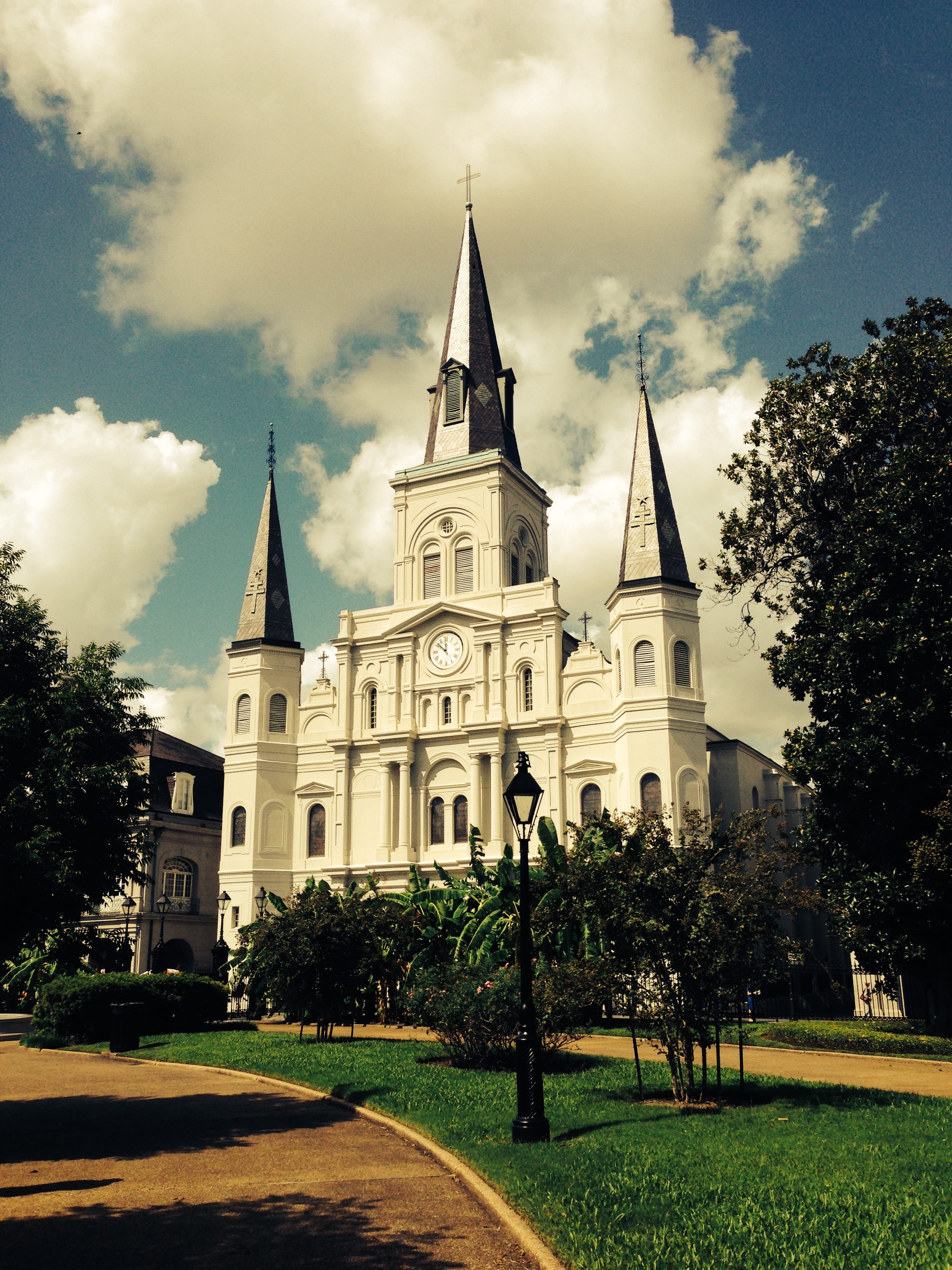
The billboards went up along I-10 and US-90 last week. “Vote No on STRs.” The Vieux Carré Property Owners, Residents and Associates, VCPORA, put them there ahead of French Quarter Fest, pushing back on a City Council proposal that would expand short-term rentals into a two-block stretch of Decatur and North Peters Streets. Nola.com ran a good rundown of the story.
The debate that followed was predictable. Residents versus developers. Locals versus tourists. Preservation versus commerce. Same argument this city has been having for decades, just with a new trigger.
But I wanted to look at the actual numbers before forming an opinion.
So I pulled the French Quarter real estate data for the past 30 days.
What is the market is actually saying?
Single family homes (last 30 days):

The one home that did sell closed at $2.9 million and $894 per square foot.
Condos:

Buyers are negotiating $75,000 off asking price on average.
Multifamily:

Zero closings in 30 days and ten active listings sitting at a median 196 days on market.
Rentals:

Renters are landing 20% below asking.
If livability and affordability are what French Quarter advocates want to protect, the supply is clearly there. Homes for sale. Apartments for rent. At prices below what sellers and landlords are asking.
So why isn’t the neighborhood filling up with residents?
The obvious reasons
Anyone who has spent real time in the French Quarter understands the first layer of this.
It is probably the most intense tourist district in the world to actually live in. Not the most dangerous, not the most expensive, the most relentlessly, inescapably tourist. Bourbon Street does not turn off. The bachelor parties do not go home at midnight. The noise, the crowd, the energy, it is the price of living inside one of the most visited neighborhoods in America.
Parking is extremely tough. If you own a car and live in the French Quarter, your relationship with that car is a daily negotiation. Last Friday I went to visit the new Goldring Woldenberg Riverfront Park and I paid $32 for two hours for the privilege of being walking distance to the playground.

And the retail situation has to be a true challenge for anyone trying to build a normal life there. How many grocery stores in the French Quarter can handle your weekly shopping trip? The commerce that exists there serves tourists, not locals. That is not an accident, it is the economic logic of a neighborhood that has optimized almost entirely for visitors.
The less obvious reason
This one took me longer to appreciate, and I think it gets lost in the STR debate entirely.
The VCC is the regulatory body that governs what you can and cannot do to your property in the French Quarter. It exists to protect the architectural and cultural integrity of one of the most historically significant neighborhoods in the Western Hemisphere. Its standards are not suggestions. You do not paint your shutters without approval. You do not replace a window without a process. You do not modify your facade without demonstrating that your materials and methods are consistent with the historic character of the block.
You are, in a meaningful sense, surveilled.
For people who want to buy a historic home and live in it without interference, the VCC is a significant and ongoing relationship. For investors who want to acquire, renovate cheaply, and extract value, the VCC is a barrier that most markets simply don’t have.
The tradeoff is that we have one of the most breathtaking collections of historic residential architecture anywhere in the world. Every ironwork balcony, every Creole townhouse courtyard, every stucco facade on Royal Street exists in the condition it exists in partly because of an institution that has been telling property owners what they can and cannot do for decades.
Whether that tradeoff is worth it depends entirely on who you are and what you want from the neighborhood.
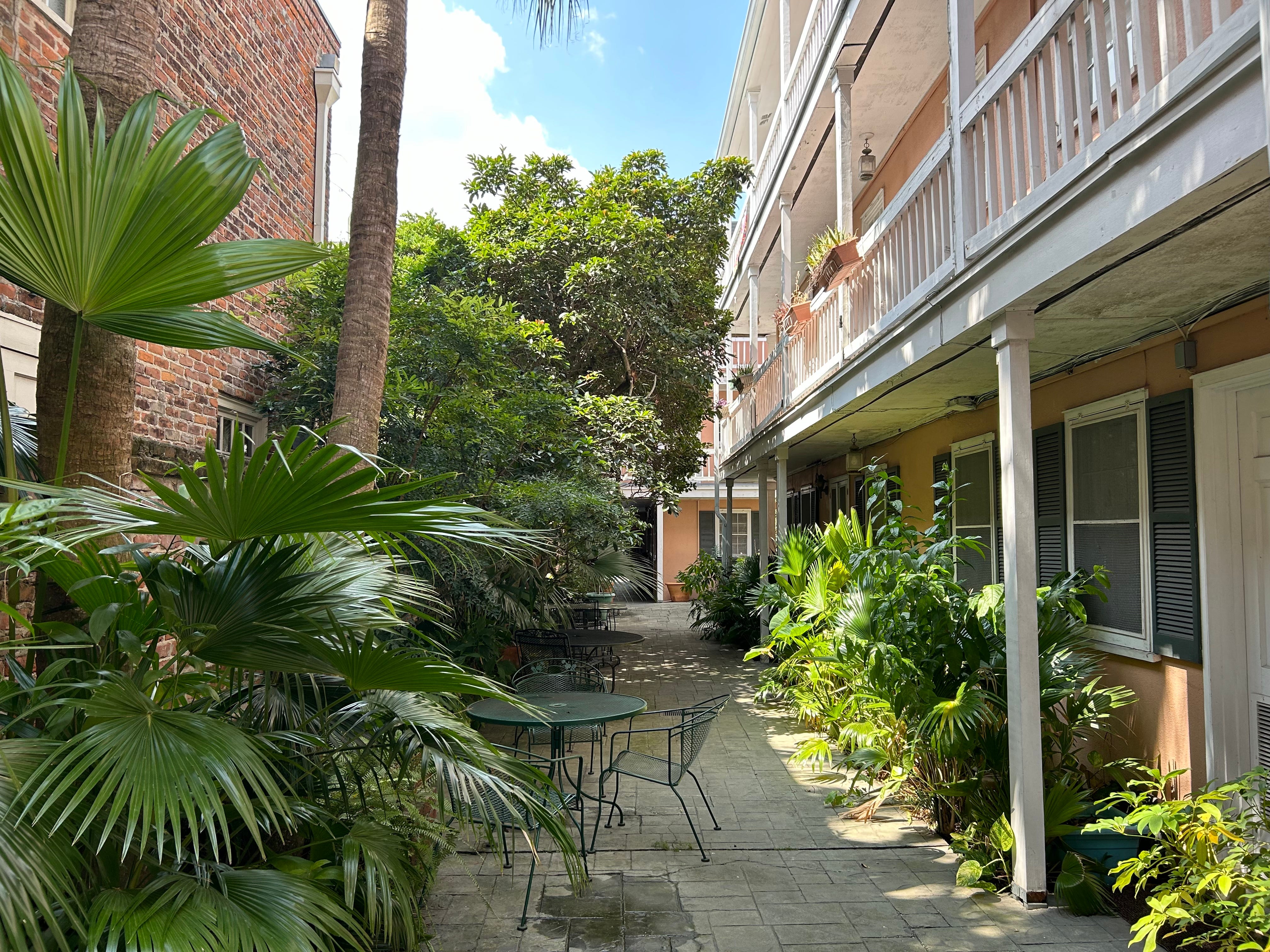
So what about STRs…?
I am a critic of what short-term rentals have done to this city. We have all watched them hollow out neighborhoods, price out generational residents, and convert housing stock into hotel inventory with no accountability to the communities they occupy. My position on STRs in residential neighborhoods is not ambiguous.
Is the French Quarter a residential neighborhood in the conventional sense? The data is forcing me to ask questions I don’t have clean answers to.
Would regulated STRs absorb some of that 30-month single family inventory and bring those prices back to life?
Would the economic activity generated by additional visitor capacity bring the kind of retail infrastructure that makes a neighborhood actually livable for the people who stay?
Would the VCC’s strict oversight, already among the most rigorous property regulation in the country, actually serve as a natural check on STR operators the way it serves as a check on everything else?
I genuinely don’t know.
What I do know is that the French Quarter is the jewel of New Orleans and Louisiana.
And right now, its real estate is not valued like one.